← Back to equipment catalog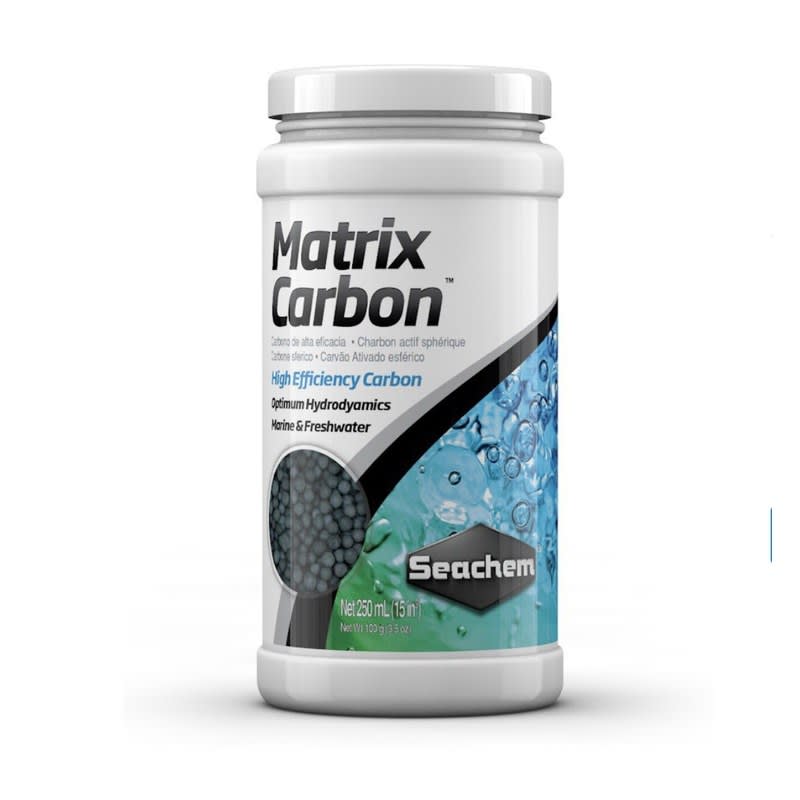
Hero image is from the maintained catalog (brand / product publicly-available assets or vetted stock). The physical product takes precedence.
Filtration
Activated carbon
filter
Used for: Tank maintenance
Description
Activated carbon is not a filter in the sieve sense. EPA describes granular activated carbon as a porous adsorption medium with extremely high internal surface area, manufactured from bituminous or lignite coal, peat, wood or coconut shells and then treated physically or chemically to create and enlarge pores. Things stick to that surface. Nothing is strained out of the water. What sticks is specific. EPA's list runs to taste and odour compounds, natural organic matter, volatile organic compounds, synthetic organic compounds and disinfection byproduct precursors, with the note that organic compounds of high molecular weight are readily adsorbable. That is the honest scope of the bag in your filter. Ammonia does not appear on the list at all. Two sentences from the same page are worth more than any brand comparison. The first is that treatment capacities for different contaminants vary depending on the properties of the different carbons, which in turn vary widely with the raw materials and the manufacturing process. Two bags that look alike can behave differently and the packaging will not tell you which one you are holding. The second concerns the end of its working life: the media has to be removed and replaced or regenerated when its capacity is exhausted, and other adsorbable contaminants in the water reduce the capacity available for the one you actually care about. Exhaustion is a function of load, then, not of the calendar. A heavily fed tank spends the surface faster than a lightly stocked one. The old description here promised a replacement every three to four weeks, which had nothing behind it and is gone; carbon left in place after it is spent is simply no longer doing the job it was bought for. The removal figures EPA does publish, up to 99.9 percent for some volatile organics, describe engineered beds in drinking water plants. They do not transfer to a mesh bag in a canister.
Source
Figures on this page were read off these pages. Manufacturers and databases do change or retire pages; if a link is dead, tell us with the correction link below.
Keep this species? Spot anything off?