← Back to equipment catalog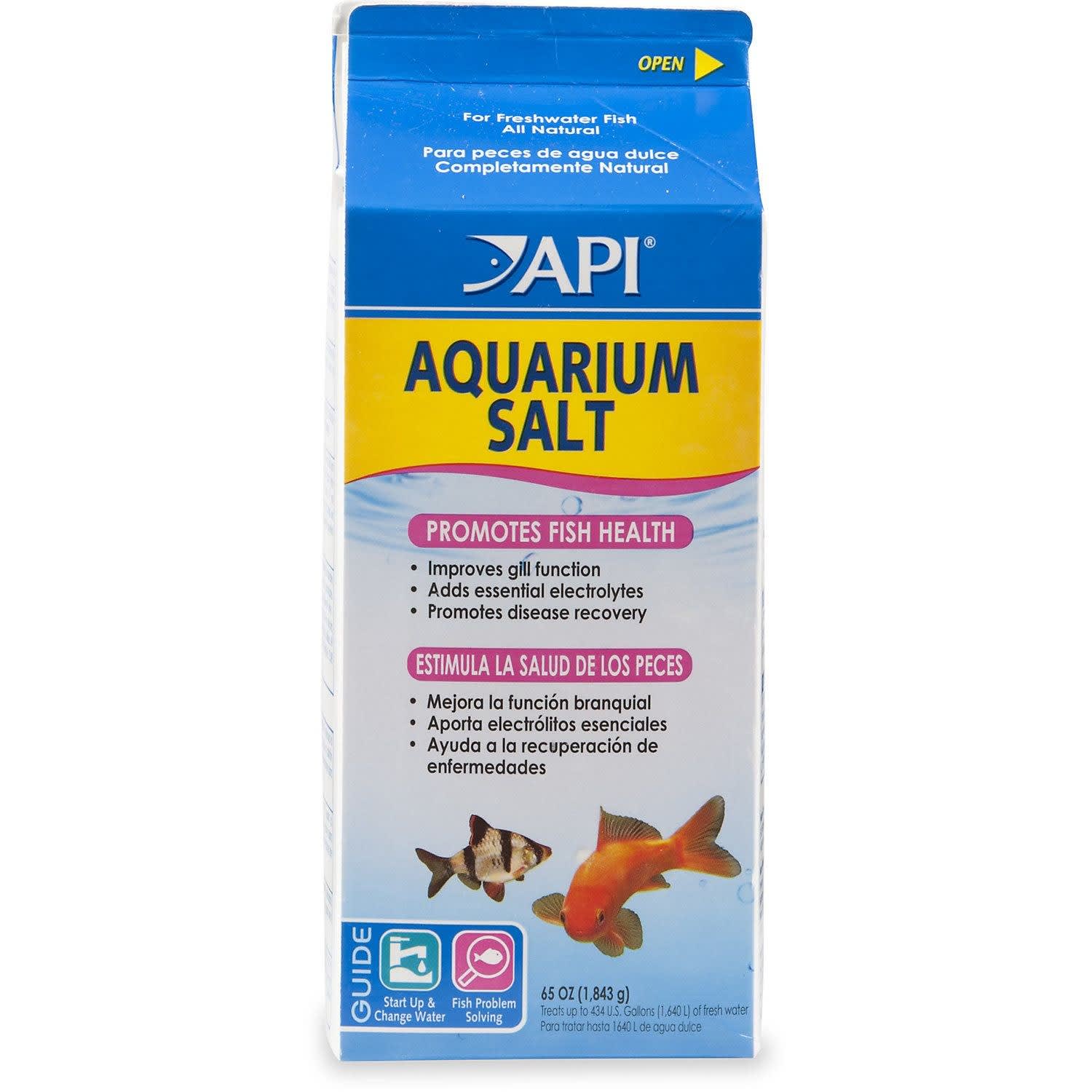
Hero image is from the maintained catalog (brand / product publicly-available assets or vetted stock). The physical product takes precedence.
Treatment
Aquarium salt
treatment
Used for: Tank maintenance
Description
Aquarium salt is sodium chloride sold for fish, and the Merck Veterinary Manual treats it as a medicine with more than one use. The FDA categorizes salt as a substance of low regulatory concern, and Merck names two of its uses in fish medicine: destroying protistans and managing osmoregulation. Osmoregulation explains most of what salt does. In freshwater, a fish's internal tissues are more concentrated than the water around it; in seawater the position is reversed. Either way the fish has to regulate its fluid balance, and skin injuries make that harder. Merck notes that surface injuries can become serious through loss of fluid balance and circulatory collapse. Raising or lowering the amount of salt a fish is exposed to can reduce that osmoregulatory stress and remove many external parasites. The manual gives separate concentrations for separate purposes. For transporting freshwater fish it recommends a salt solution of 3 to 5 g/L, which most species tolerate for several hours or days. Keeping a freshwater system permanently at 2 to 3 g/L can hold down some parasitic protistans. Salt also turns up in Merck's advice on new tank syndrome, the water quality problem that usually appears within the first six weeks of a new tank. Alongside feeding less, changing water and checking that the biofilter is adequate, the treatment includes adding chloride for nitrite toxicity. The manual gives no chloride dose for that use, so this page does not suggest one. Short, strong dips are a separate procedure with their own rules, covered on the quarantine dip bucket page. Every figure above is a concentration in grams per litre, so the amount to add depends on knowing how much water the tank really holds.
Source
Figures on this page were read off these pages. Manufacturers and databases do change or retire pages; if a link is dead, tell us with the correction link below.
Keep this species? Spot anything off?