← Back to equipment catalog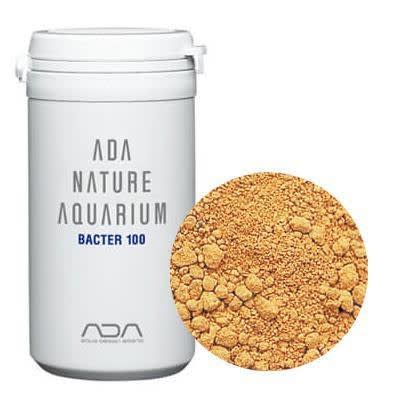
Hero image is from the maintained catalog (brand / product publicly-available assets or vetted stock). The physical product takes precedence.
Accessories
Bacterial starter
accessory
Used for: New tank setup, Cycling, Tank maintenance
Description
FAO's manual Small-scale Aquaponic Food Production uses the term system cycling for the first job in starting any recirculating system: building a colony of bacteria. The manual is written for combined fish and vegetable units, and it describes cycling as a slow process that requires patience, because nitrifying bacteria are slow to reproduce and establish colonies, taking days and sometimes weeks. A few of the ammonia-oxidizing bacteria occur naturally and arrive in a new system on their own; the manual says they can be found on land, in water and in the air. Bottled bacteria are the shortcut it describes. In the manual's words, aquarium or aquaculture retailers sell various products containing living nitrifying bacteria (in a bottle), which immediately colonize a system once added and so avoid the cycling process. The same paragraph says these products may be expensive or unavailable and are ultimately unnecessary, since cycling can be achieved by organic means. If another system is already running, the manual calls sharing part of its biofilter as a seed of bacteria extremely helpful and says this greatly decreases cycling time. During cycling, ammonia and nitrite reach high levels that could be harmful to fish. The manual notes that many new aquarists do not have the patience to let a tank fully cycle, the new fish die, and the result is commonly called new tank syndrome. It treats cycling as complete when nitrate is steadily increasing, nitrite is at 0 and ammonia is below 1 mg per liter, and it says ammonia, nitrite and nitrate should be tested every 3 to 5 days while the process runs. The ammonia test liquid and nitrate test entries cover two of those tests.
Source
Figures on this page were read off these pages. Manufacturers and databases do change or retire pages; if a link is dead, tell us with the correction link below.
Keep this species? Spot anything off?