← Back to equipment catalog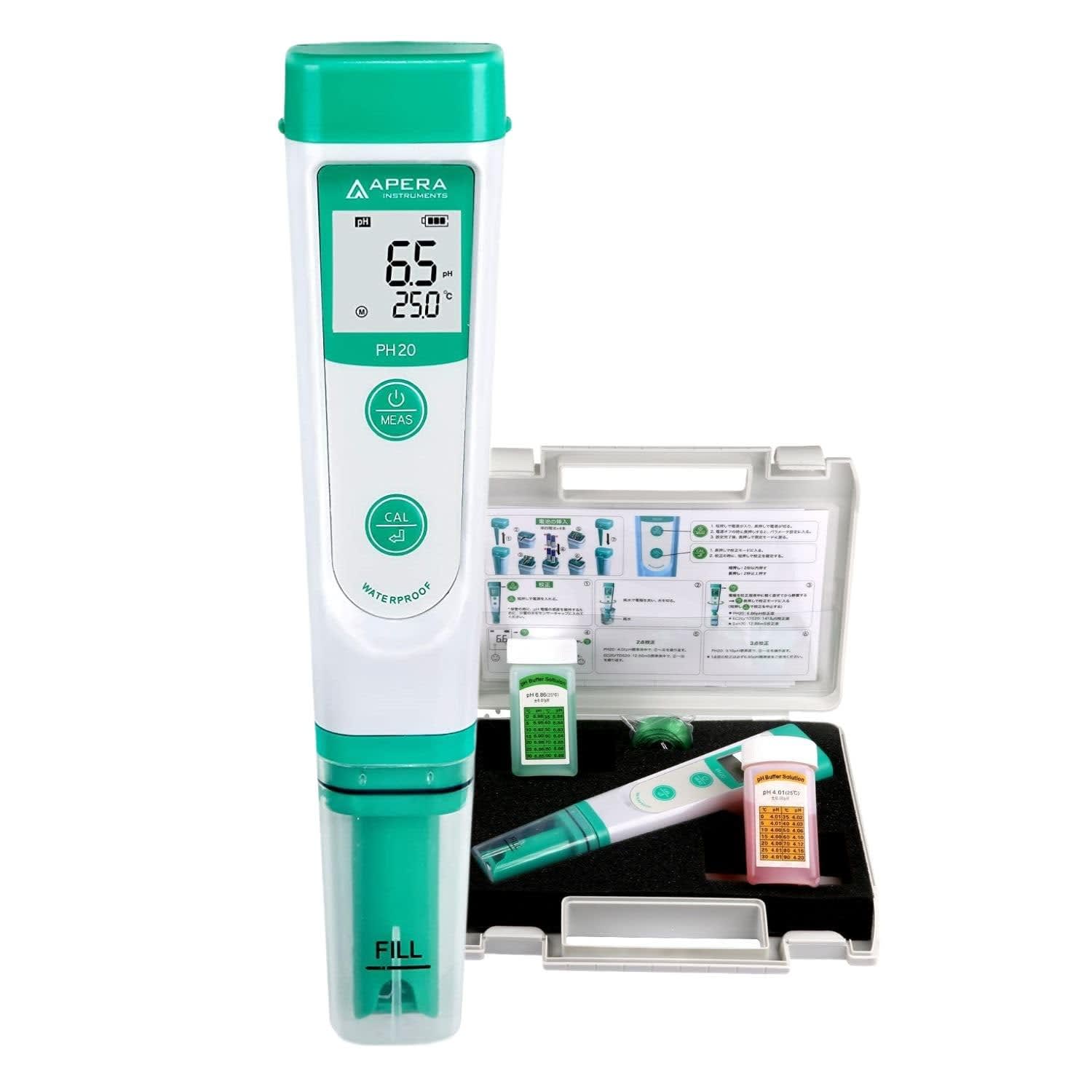
Hero image is from the maintained catalog (brand / product publicly-available assets or vetted stock). The physical product takes precedence.
Monitoring
Digital pH meter
monitoring
Used for: Water testing, Tank maintenance
Description
A digital pH meter measures pH electrically, through a glass electrode that has to be calibrated against solutions of known pH. The procedure on this page follows EPA Method 9040C, the agency's standard method for measuring pH electrometrically. It was written for laboratory and field samples of aqueous waste rather than aquarium water, but the electrode, and the ways it goes wrong, are the same. The method calls for at least two calibration points that bracket the reading you expect and sit about three pH units or more apart, so one buffer should be below the expected value and one above it. Repeat the adjustment on fresh portions of both buffers until the meter reads within 0.05 pH units of each. Temperature introduces two separate errors. The first is a change in the electrode's own output, which a meter with temperature compensation corrects, or which you can avoid by calibrating at the temperature of the water being tested; the method requires a correction once the sample and the buffer differ by more than 2 °C. The second is a real change in the sample's pH as its temperature changes. Nothing corrects that one, which is why the method records the temperature next to every pH value. Before measuring, rinse the electrode and wipe it gently. Stir the sample at a steady rate and repeat the reading until two results agree within 0.1 pH units, and rinse the electrode again between samples. Oily films or particles on the glass can impair its response; the method removes them by gentle wiping or washing with detergent, then rinsing in distilled water. Colour, cloudiness and moderate salinity, below 0.1 molar, do not interfere with a glass electrode. For work that needs extreme accuracy, the method points to primary standard buffer salts from NIST, and solutions made from them should be replaced at least once a month.
Source
Figures on this page were read off these pages. Manufacturers and databases do change or retire pages; if a link is dead, tell us with the correction link below.
Keep this species? Spot anything off?