← Back to equipment catalog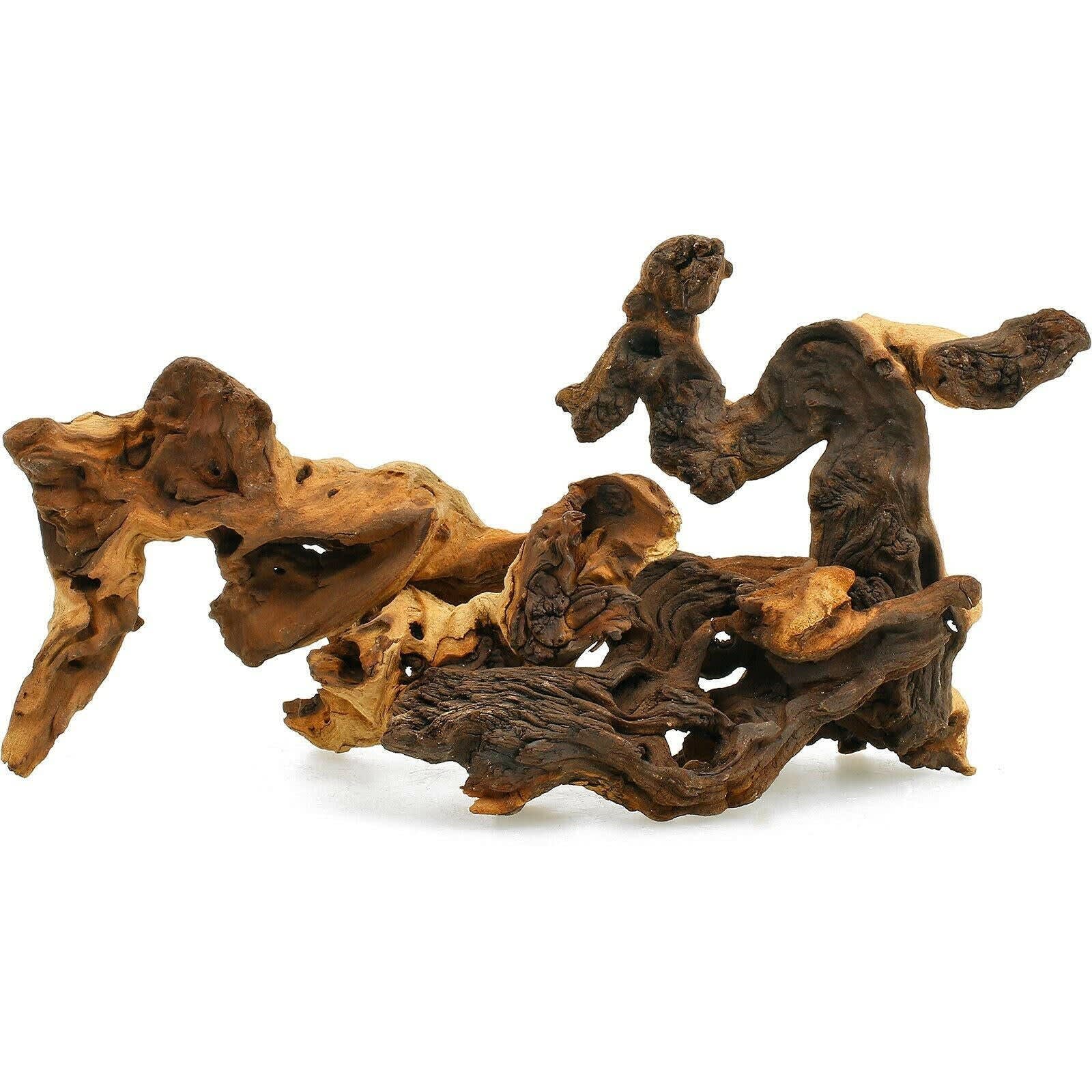
Hero image is from the maintained catalog (brand / product publicly-available assets or vetted stock). The physical product takes precedence.
Hardscape
Driftwood / Mopani
hardscape
Used for: Aquascaping, Planted tanks, Tank maintenance
Description
The tannins are real, and the National Park Service will tell you where they come from. The water at Congaree National Park runs stained with them, and the park's hiking-safety page says plainly that tannin is a natural substance that comes from decaying leaves and wood, that it makes the water extremely bitter, and that it cannot be filtered out. That last clause is the part worth carrying into a tank. Tannin is dissolved, not suspended, so a mechanical filter has nothing to catch. Water changes and adsorbent media are what move it, and a piece of wood that leaches will go on leaching for months rather than days. What this row used to claim, and no longer does: that the tannins soften the water. Softening is about hardness. Tannic and humic substances are acids, and acidity and hardness are two different measurements read off two different test kits. No source found here says that a piece of wood in an aquarium changes hardness, so the catalog stops saying it. If your water is hard and you want it soft, wood is the wrong tool, and the NPS page says nothing about pH either. The rest is practice rather than citation, and is offered as practice. Pieces vary: some sink on the first day and some float for weeks and want weighting or a long soak. Boiling shortens the first flush of colour without ending it. Sizing is where this goes wrong most often, because a piece that looks moderate in a shop looks enormous in a 60 cm tank, so measure the tank and take the tape with you. And if you want the tint gone rather than kept, plan the water changes; the filter is not going to do it for you.
Source
Figures on this page were read off these pages. Manufacturers and databases do change or retire pages; if a link is dead, tell us with the correction link below.
Keep this species? Spot anything off?