← Back to equipment catalog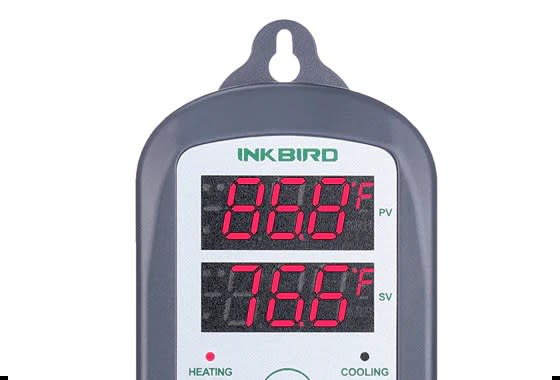
Hero image is from the maintained catalog (brand / product publicly-available assets or vetted stock). The physical product takes precedence.
Temperature
Dual thermostat
heater
Used for: Tank maintenance
Description
Ask what a second thermostat is insuring against and there is a published answer. FAO's aquaponics manual lists temperature stress among the standard problems of a fish system, and under causes it names three: lack of heating or insulation, improper management, and breakage of the thermostat. The failure mode is not exotic. It is the ordinary end of a cheap component, and it sits in a reference table beside ammonia poisoning and low oxygen. What breakage does to the animals follows from how fish work. Fish are cold blooded, the manual says, so their ability to adjust to a large range of water temperatures is low, and a steady temperature inside the tolerance range keeps them in optimal condition, aids growth, and reduces the risk of disease. The symptoms listed for the two directions are worth knowing, because a stuck heater can go either way. Too cold gives lethargy, mortality among cold intolerant fish, and mould disease. Too hot gives lethargy again, mortality among heat intolerant fish, and laboured breathing. Redundancy as a principle is not new to heaters either. The same manual recommends backup aeration on the grounds that redundant systems earn their keep during power outages and equipment failures, and it notes that simple battery backups for air pumps have saved countless fish. A controller with two channels applies that reasoning to the one appliance in the tank that can cook its occupants when it sticks on. Two limits, stated plainly. FAO documents no wiring arrangement, no sensor tolerance and no accuracy figure for any controller, and never mentions a dual thermostat by name, so nothing here helps you choose between models. And redundancy has a shape: two heaters wired through one controller still share a single point of failure at the controller, which is the part this row is named after.
Source
Figures on this page were read off these pages. Manufacturers and databases do change or retire pages; if a link is dead, tell us with the correction link below.
Keep this species? Spot anything off?