← Back to equipment catalog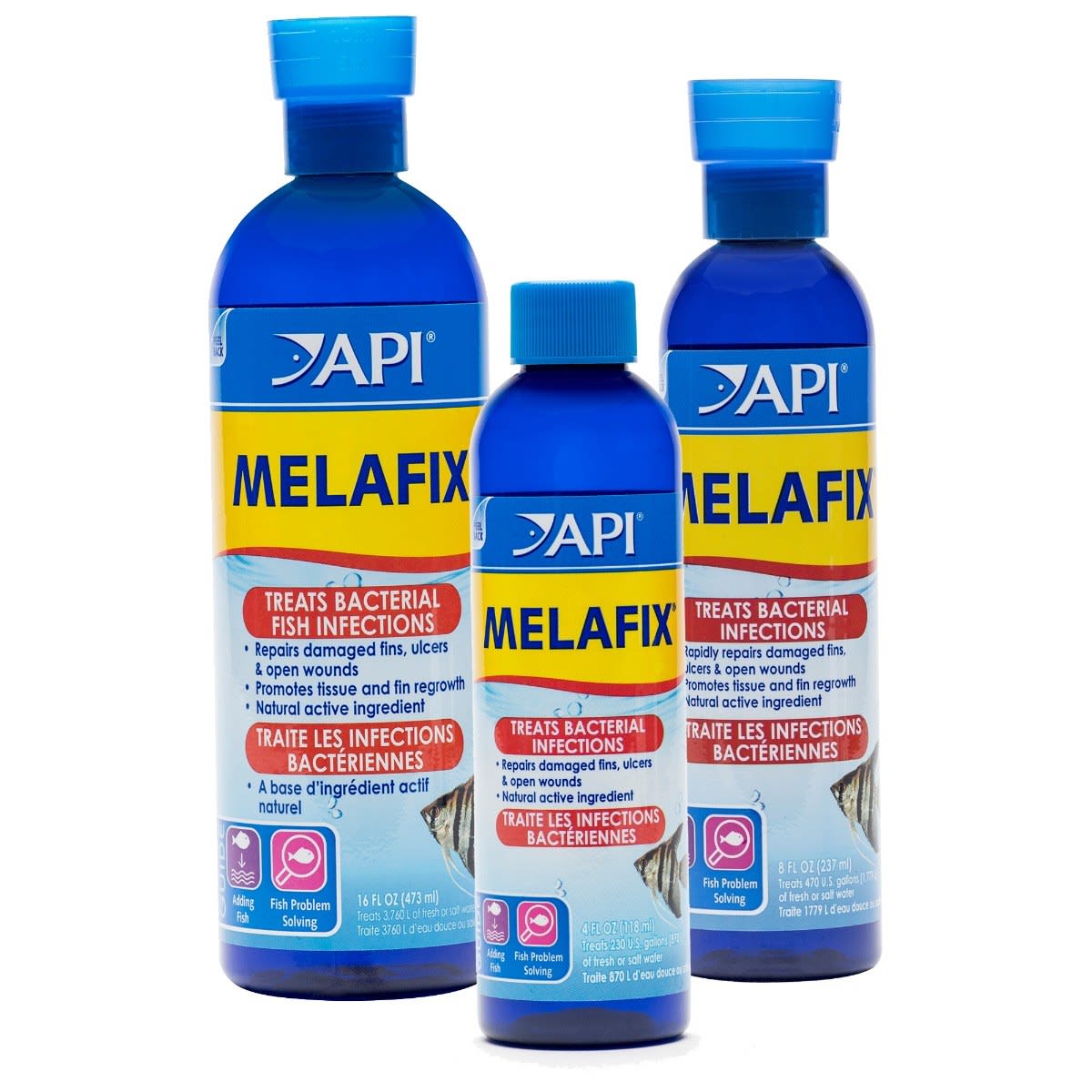
Hero image is from the maintained catalog (brand / product publicly-available assets or vetted stock). The physical product takes precedence.
Treatment
Fin rot medication
treatment
Used for: Quarantine tanks, Fish health, Tank maintenance
Description
Fin rot is a description of what you can see, not a diagnosis. The phrase appears nowhere in the Merck Veterinary Manual's chapter on bacterial diseases of fish, and the reason is that ragged, receding fins are an end point several different organisms arrive at. Merck's list opens with the ones producing hemorrhagic septicemia: Aeromonas and Pseudomonas in fresh water, Vibrio and its relatives in salt, giving hemorrhage and ulceration of the skin, fin and tail as the disease progresses. Then Flavobacterium columnare, the columnaris organism, most common in warmwater species, with strains ranging from low to high virulence. The manual is blunt about that one. Mortality can be acute, and by the time the condition is visible it may be difficult to control. Gram-positive infections are uncommon but can kill more than half the fish they reach. Mycobacteriosis has no effective treatment at all and can infect the person cleaning the tank. Two things follow for anyone holding a bottle. Most bacterial pathogens of fish are aerobic gram-negative rods, so a product advertising cover of gram-positive organisms as well is offering breadth you have no way to aim. What Merck recommends instead is isolation of the organism in pure culture and sensitivity testing before an antimicrobial is used, which describes a veterinary laboratory rather than a shelf. More useful at home is the manual's other instruction: control is based on removal of predisposing factors, and it names them. Poor water quality, organic loading, handling and transport, sharp temperature changes, hypoxia and other stress. That is the part you can act on tonight. The improvement within 48 hours that the old description promised has no source behind it. The only 48 hours on that page is the incubation time for a culture plate.
Source
Figures on this page were read off these pages. Manufacturers and databases do change or retire pages; if a link is dead, tell us with the correction link below.
Keep this species? Spot anything off?