← Back to equipment catalog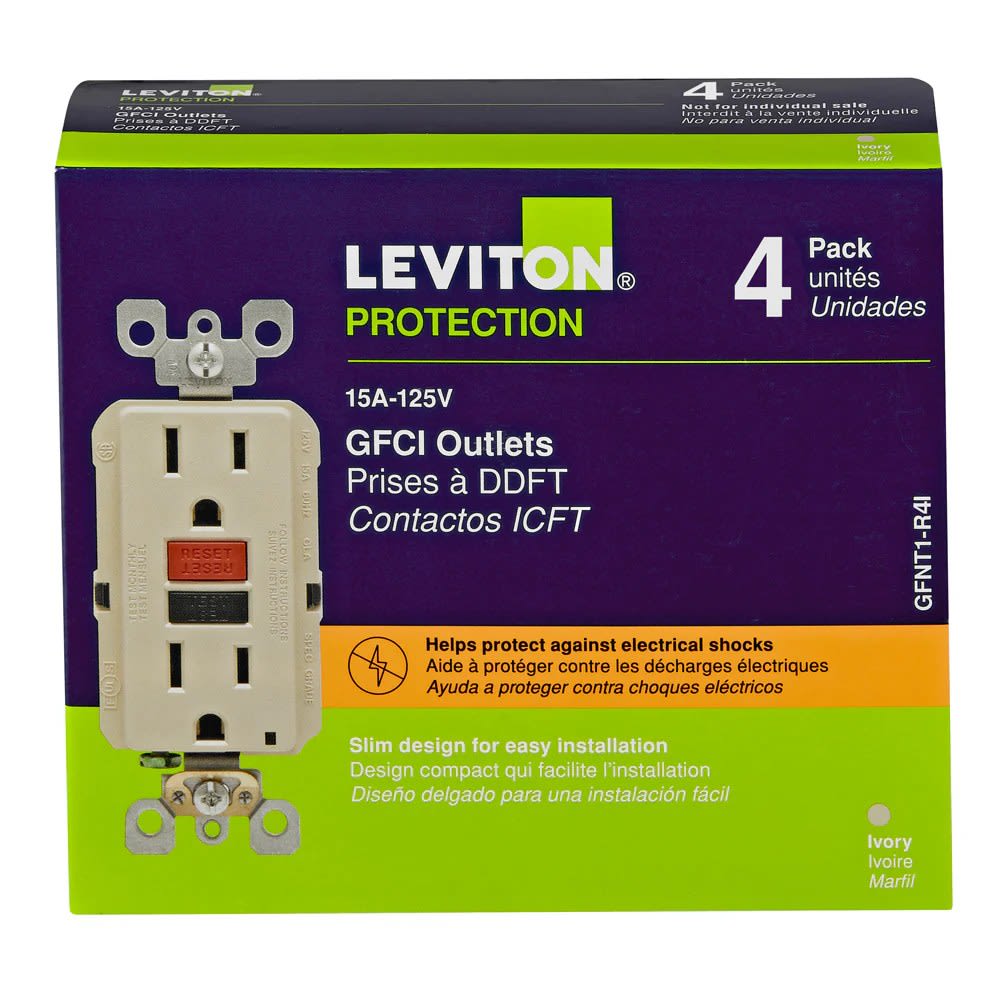
Hero image is from the maintained catalog (brand / product publicly-available assets or vetted stock). The physical product takes precedence.
Accessories
GFCI outlet
accessory
Used for: Tank maintenance
Description
A GFCI outlet is a receptacle with a ground-fault circuit interrupter built into it. OSHA's construction eTool describes the hazard first: a ground-fault occurs when there is a break in the low-resistance grounding path from a tool or electrical system, and the electrical current may then take an alternative path to the ground through the user, resulting in serious injuries or death. The device itself is, in OSHA's words, a fast-acting circuit breaker designed to shut off electric power in the event of a ground-fault within as little as 1/40 of a second. It works by comparing the amount of current going to and returning from equipment along the circuit conductors, and when the amount going differs from the amount returning by approximately 5 milliamperes, the GFCI interrupts the current. OSHA is equally clear about what the device does not do. If the grounding conductor is not intact or of low impedance, the GFCI may not trip until a person provides a path, and that person will receive a shock, though the GFCI should trip so quickly that the shock will not be harmful. It will not protect against line contact hazards, that is a person holding two hot wires, or a hot and a neutral wire in each hand, or contacting an overhead power line. What it does protect against, OSHA writes, is the most common form of electrical shock hazard, the ground-fault, along with fires, overheating and destruction of wire insulation. United States law requires them in one setting that has nothing to do with aquariums but shows the reasoning: 29 CFR 1926.404 requires that all 120-volt, single-phase, 15- and 20-ampere receptacle outlets on construction sites which are not part of the permanent wiring of the building or structure and which are in use by employees shall have approved ground-fault circuit interrupters for personnel protection.
Sources
- osha.gov — https://www.osha.gov/etools/construction/electrical-incidents/ground-fault-circuit-interrupters/
- ecfr.gov — https://www.ecfr.gov/current/title-29/subtitle-B/chapter-XVII/part-1926/subpart-K/section-1926.404
Figures on this page were read off these pages. Manufacturers and databases do change or retire pages; if a link is dead, tell us with the correction link below.
Keep this species? Spot anything off?