← Back to equipment catalog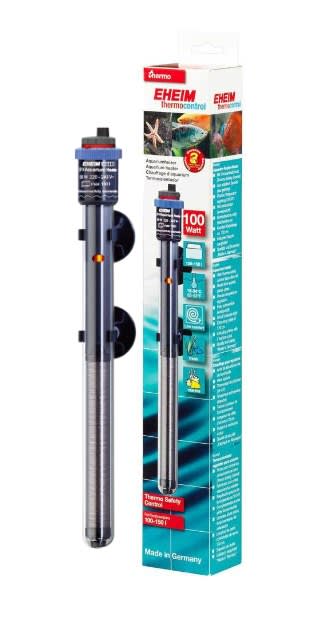
Hero image is from the maintained catalog (brand / product publicly-available assets or vetted stock). The physical product takes precedence.
Temperature
Aquarium heater
heater
Used for: Tank maintenance
Description
An aquarium heater holds a tank at a set temperature. Every controlled-temperature study of fish is a working example of one, and the useful detail is not the heater itself but what is always next to it. It is never alone. A 2026 study of a freshwater snail maintained its temperatures using a 100 W aquarium heater and a submersible pump for water circulation, which were used to maintain a constant temperature. A second study makes the reason explicit while describing a different vessel: they used a small filter to circulate water within the cooler to avoid thermal stratification. A heater warms the water it touches, and something has to move that water around for the reading on the thermometer to describe the whole tank. It is sized to the tank and the job, not to a rule of thumb. A 2026 experiment held its animals in tanks of 6.5 L and regulated each tank individually by a submersible heater rated 50 W, or by a chiller for the cold treatments. At the other end, a 2026 fish study that had to force a tank up to 30 degrees for two hours used a 2 kW titanium submersible heater, a rating that belongs to a deliberate, fast, short heat challenge and not to holding a tank steady. Merck lists it in the minimum kit for the cheapest tank a hobbyist should own: for a modest investment, a hobbyist can set up a quarantine tank using an inexpensive 10-gal. tank, sponge filter, small aeration pump, and heater. A quarantine tank is bare, and the heater is still on the list, because a fish under treatment needs its temperature held as much as a display fish does. This page publishes no watts-per-litre figure. The three studies above heat different vessels for different reasons, none of them states a rule, and all three were run in rooms whose temperature is part of the answer.
Sources
- pmc.ncbi.nlm.nih.gov — https://pmc.ncbi.nlm.nih.gov/articles/PMC13361778/
- pmc.ncbi.nlm.nih.gov — https://pmc.ncbi.nlm.nih.gov/articles/PMC13241754/
- pmc.ncbi.nlm.nih.gov — https://pmc.ncbi.nlm.nih.gov/articles/PMC13255962/
- merckvetmanual.com — https://www.merckvetmanual.com/exotic-and-laboratory-animals/aquarium-fish/management-of-aquarium-fish
- pmc.ncbi.nlm.nih.gov — https://pmc.ncbi.nlm.nih.gov/articles/PMC13052457/
Figures on this page were read off these pages. Manufacturers and databases do change or retire pages; if a link is dead, tell us with the correction link below.
Keep this species? Spot anything off?