← Back to equipment catalog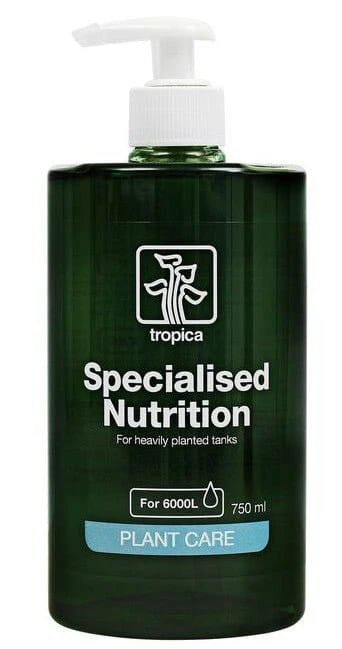
Hero image is from the maintained catalog (brand / product publicly-available assets or vetted stock). The physical product takes precedence.
Fertilizer
Macronutrient N/P/K
fertilizer
Used for: Planted tanks, Plant nutrition, Tank maintenance
Description
Three letters, two of which this catalog can cite. That is the honest state of an all-in-one NPK bottle. Nitrogen and phosphorus are both documented by EPA's National Aquatic Resource Surveys as critical nutrients required for all life. Nitrogen reaches organisms mostly as ammonia, nitrate and nitrite, and is an essential component of amino acids, proteins and DNA. Phosphorus is used mostly as phosphate, which goes into the formation of DNA, carries cellular energy, and builds cell membranes and plant cell walls. EPA notes of each of them, in the same words, that it is a common ingredient in commercial fertilisers. The first two thirds of the label describe real plant chemistry. The same pages describe the other side of the right amount. In appropriate quantities nitrogen supports the growth of algae and aquatic plants; increased inputs stimulate excessive growth of both and create eutrophic conditions. Phosphorus behaves the same way and is less forgiving, because it occurs in small quantities in the natural environment, so even small increases can affect water quality and biological condition. A planted tank is a small waterbody you are deliberately adding both to, and the algae in it read the same chemistry your stem plants do. Potassium is where the citation runs out. It appears on neither page, this catalog has found no authority publishing a potassium figure for aquarium plants, and so none is given here. Nor does anything here tell you how much to dose. EPA publishes no aquarium concentration, no ratio and no schedule. The description this row previously carried said to dose weekly according to plant mass and lighting; that had nothing behind it and has been removed. Dose against what the plants and the algae are actually doing, change one thing at a time, and keep a note of what you changed.
Sources
- epa.gov — https://www.epa.gov/national-aquatic-resource-surveys/indicators-nitrogen
- epa.gov — https://www.epa.gov/national-aquatic-resource-surveys/indicators-phosphorus
Figures on this page were read off these pages. Manufacturers and databases do change or retire pages; if a link is dead, tell us with the correction link below.
Keep this species? Spot anything off?