← Back to equipment catalog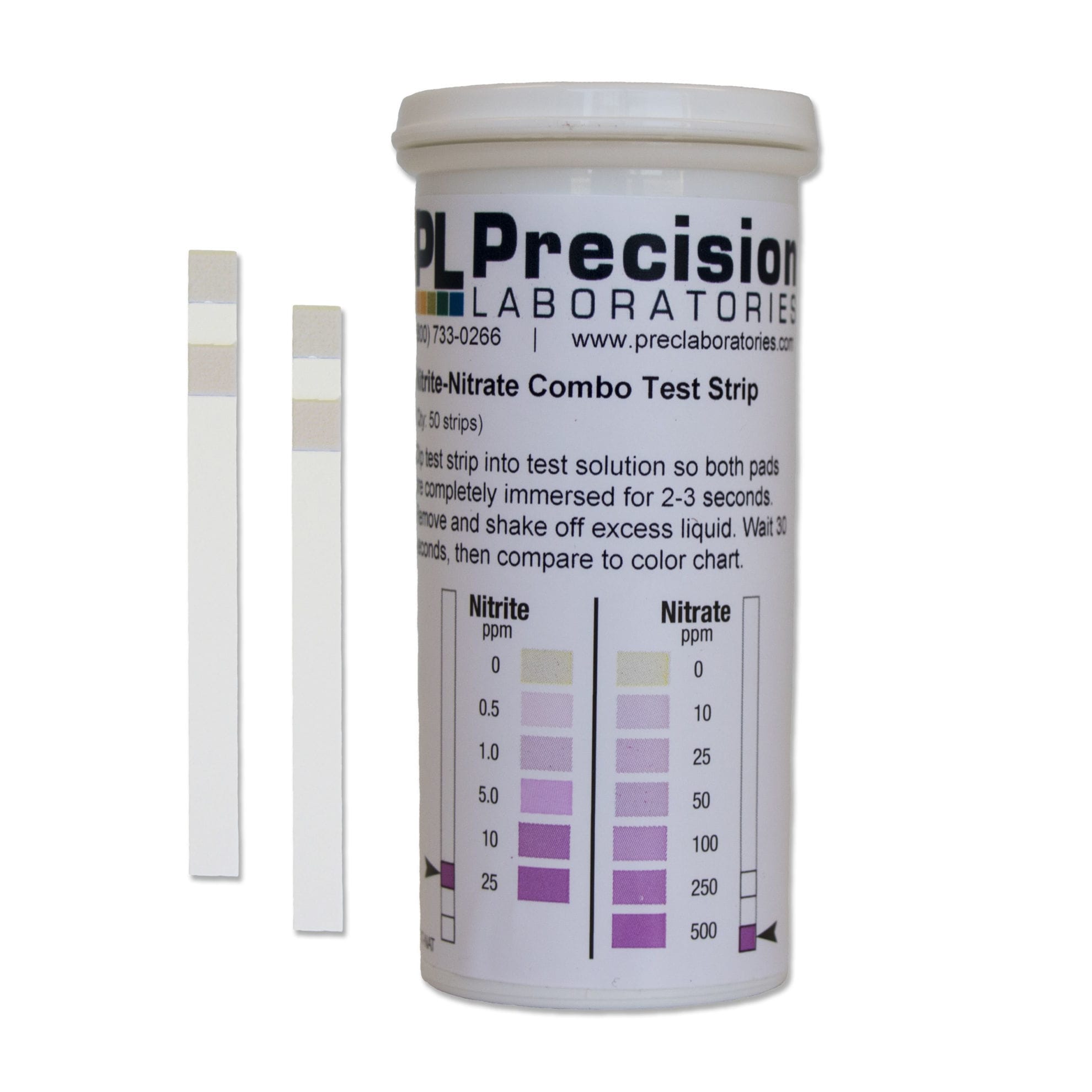
Hero image is from the maintained catalog (brand / product publicly-available assets or vetted stock). The physical product takes precedence.
Monitoring
Nitrite test
monitoring
Used for: Water testing, Tank maintenance
Description
A nitrite test reads the middle step of the nitrogen chain. EPA's Volunteer Stream Monitoring manual names the three forms that nitrogen takes in terrestrial and aquatic ecosystems, ammonia (NH3), nitrates (NO3) and nitrites (NO2), and explains what stalls the chain: decomposition of nitrogen-rich organic matter lowers the dissolved oxygen level, which in turn slows the rate at which ammonia is oxidized to nitrite (NO2) and then to nitrate (NO3). Under such circumstances, the manual writes, it might be necessary to also monitor for nitrites or ammonia, which are considerably more toxic to aquatic life than nitrate. For method, it points readers to Standard Methods sections 4500-NH3 and 4500-NO2 rather than publishing a nitrite procedure of its own. In a tank, the reading that matters usually comes early. The Merck Veterinary Manual describes new tank syndrome as a water quality problem that usually occurs within the first 6 weeks after a new fish hobbyist sets up a tank: owners may report everything was fine for several weeks, and then the fish suddenly become lethargic, anorectic, and frequently die. Often total ammonia nitrogen or nitrite, or both, are high enough to result in toxicity. Merck's treatment list is short and does not include a nitrite remover: decrease in feeding, water changes, the addition of chloride for nitrite toxicity, and evaluation of adequate biofiltration. It can take up to 8 weeks for a biofilter in a tropical fish tank to become established, which is the window a test covers.
Sources
- epa.gov — https://www.epa.gov/sites/default/files/2015-04/documents/volunteer_stream_monitoring_a_methods_manual.pdf
- merckvetmanual.com — https://www.merckvetmanual.com/exotic-and-laboratory-animals/aquarium-fish/management-of-aquarium-fish
Figures on this page were read off these pages. Manufacturers and databases do change or retire pages; if a link is dead, tell us with the correction link below.
Keep this species? Spot anything off?