← Back to equipment catalog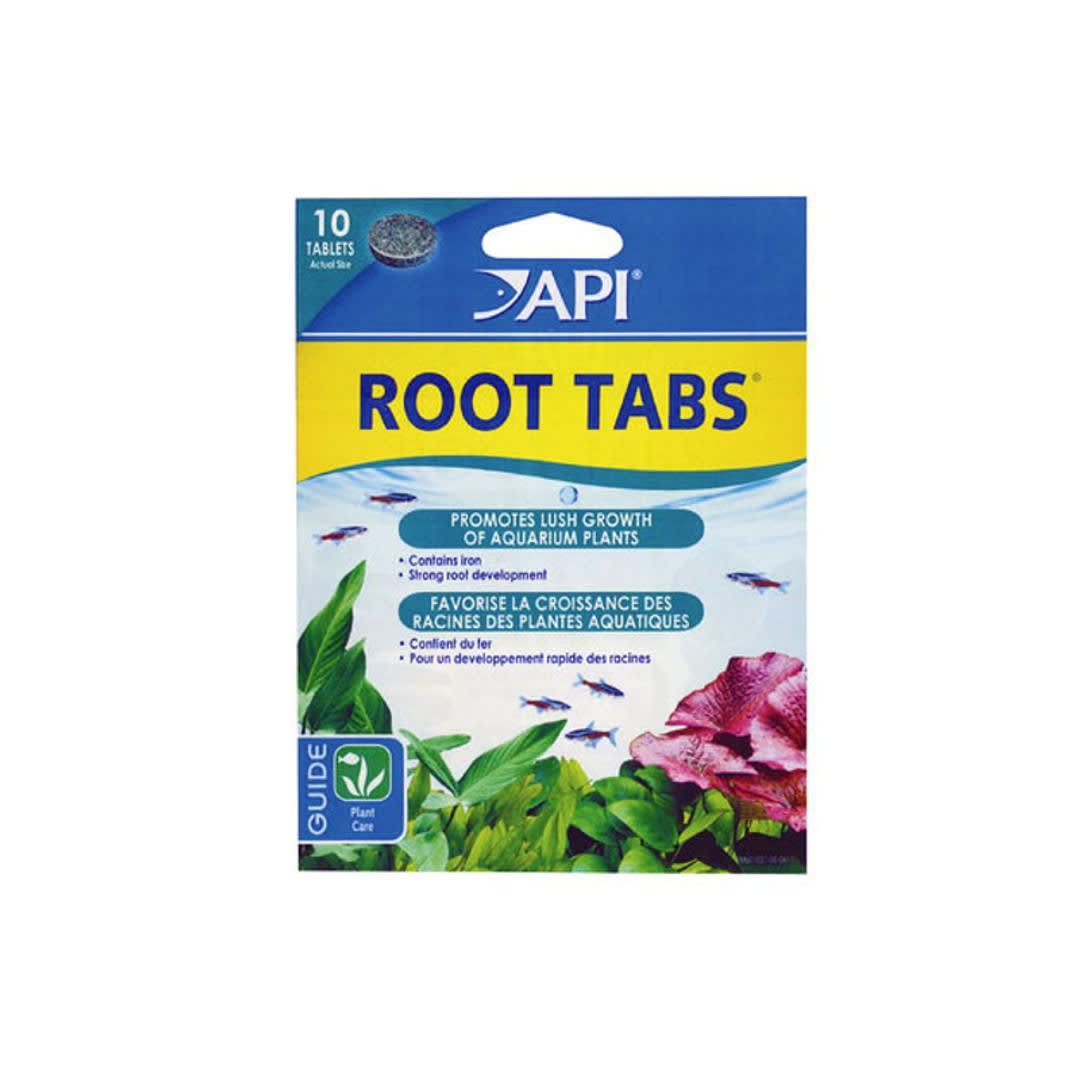
Hero image is from the maintained catalog (brand / product publicly-available assets or vetted stock). The physical product takes precedence.
Fertilizer
Root tabs
fertilizer
Used for: Planted tanks, Aquascaping, Tank maintenance
Description
The reference works we found never name aquarium root tabs. The nearest thing in them is the fertilizer tablet used for plants in garden ponds and container water gardens. The University of Florida's Gardening Solutions site, advising on algae in water gardens, says to fertilize water garden plants conservatively, apply only what the plants need, and use slow-release nutrient tablets that can be pushed into the soil. In Colorado State University's PlantTalk steps for a container water garden, a fertilizer tablet goes in once the plants begin to grow; the plants there are potted in heavy, packed clay, not aquarium gravel or sand. A 2018 paper in the Journal of Aquatic Plant Management, by researchers at the University of Florida and the South Florida Water Management District, notes that nutrient uptake from the substrate by submersed plants was called ambiguous by Sculthorpe in 1967 and again by Sutton in 1985. Rooted submersed plants are generally thought to take some nutrients from the substrate, where concentrations are usually much higher than in the water above, but when the water holds more they can absorb nutrients through their leaves. Which nutrients come from which source is debated, and the uptake mechanisms can vary among species. The authors cite a finding that eelgrass, Vallisneria americana, needed nitrogen and phosphorus in the root zone for optimum growth, and another that hydrilla gets its potassium mainly from the water. The paper says it is common practice in studies of submersed plants to add controlled-release fertilizer to the substrate; such fertilizers are usually a nutrient core inside a coating that controls release. In one 11-week trial, Illinois pondweed and hydrilla grew no differently whether or not the controlled-release fertilizer contained micronutrients. In the other experiments, water-soluble fertilizer mixed into sand stood in for controlled-release products, and the amount of nitrogen and phosphorus in the sand changed how well Illinois pondweed, hydrilla and southern naiad grew. Each species did best at a particular level, and all three grew less at higher nitrogen concentrations. The trials were run under greenhouse conditions with plants grown in sand, and the paper gives no aquarium doses.
Sources
- gardeningsolutions.ifas.ufl.edu — https://gardeningsolutions.ifas.ufl.edu/design/landscaping-for-specific-sites/water-gardens/
- planttalk.colostate.edu — https://planttalk.colostate.edu/topics/annuals-perennials/1023-water-gardening-containers/
- apirs.plants.ifas.ufl.edu — https://apirs.plants.ifas.ufl.edu/site/assets/files/377187/377187.pdf
Figures on this page were read off these pages. Manufacturers and databases do change or retire pages; if a link is dead, tell us with the correction link below.
Keep this species? Spot anything off?