← Back to equipment catalog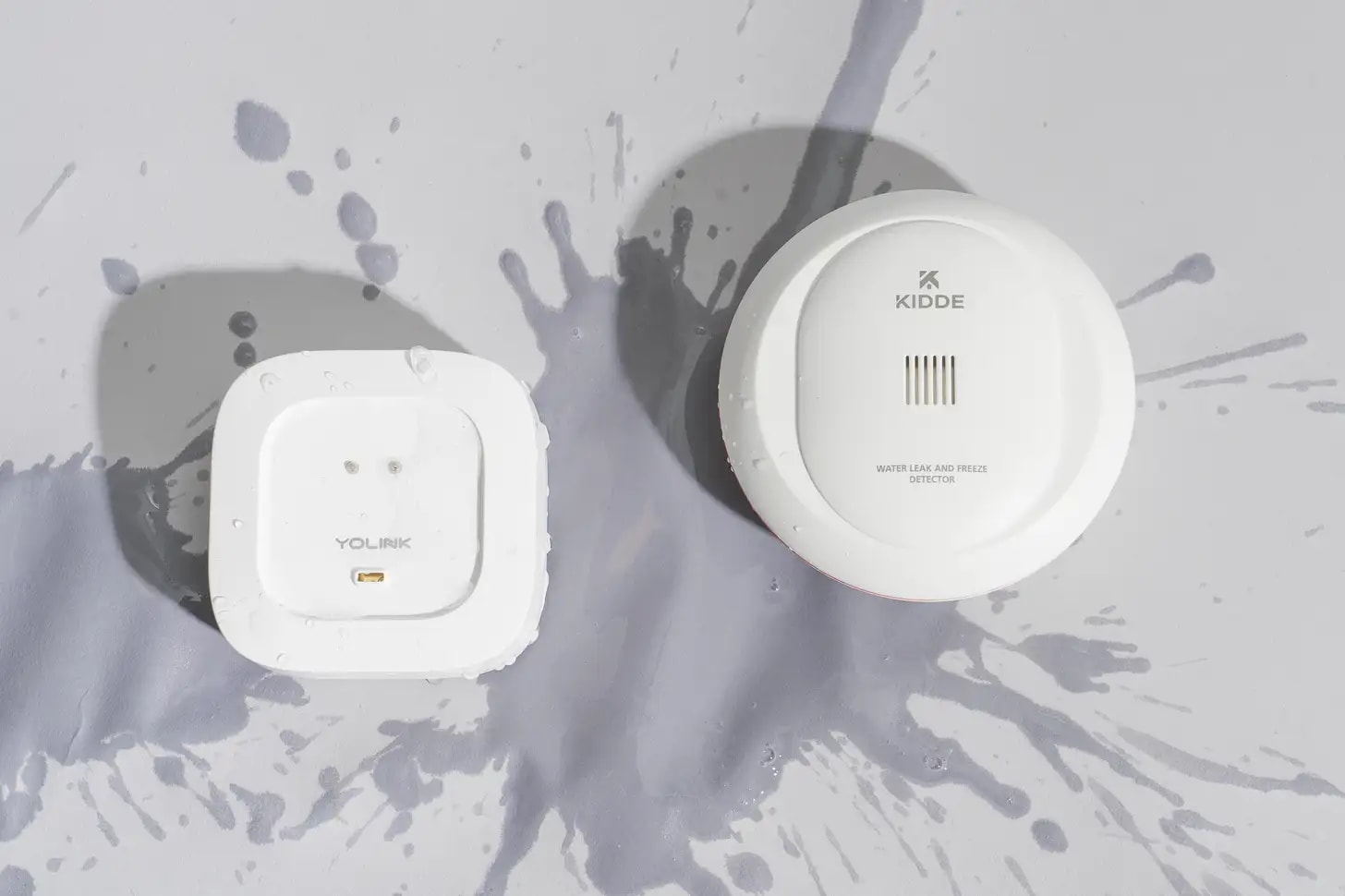
Hero image is from the maintained catalog (brand / product publicly-available assets or vetted stock). The physical product takes precedence.
Accessories
Water leak alarm
accessory
Used for: Tank maintenance
Description
A water leak alarm is a sensor on the floor, or a probe on a wire, that sounds when it gets wet. None of the reference works in this catalog cover it. Two sellers do, and both name fish tanks among the places it goes. SwitchBot's detector is the floor kind. Its listing says it is equipped with four sensor probes at the top and bottom, which can detect a low water level of just 0.5mm, and that if water pipes drip and your floor is submerged or gets wet, it will sound an alarm. On Wi-Fi it sends real-time email and app notifications when dripping, leaking, or flooding is detected, without the need to purchase an additional hub. It is also equipped with a 1-meter extended probe, which the seller says can detect changes in water levels of places like swimming pools, bathtubs, and fish tanks. It comes with 2 x AAA batteries and a stated battery lifespan of up to 2 years. The second listing, sold as suitable for water tank and aquarium use, is a level alarm with two floating probes, and it covers both directions of the problem: it can detect water shortage or overflow. The overflow probe is placed above the water level, and when the water rises to it the float lifts and triggers the alarm; the water shortage probe is always placed in the underwater position and triggers an alarm when the water level drops below the float. The seller lists fish tank among its uses and gives standby for more than 1 year on a 9V battery. These are seller statements, not tested figures. What they establish is the shape of the tool for an aquarium: a floor sensor catches water that has already escaped, and a float catches the level moving before it does. No source here says where to place a sensor or how many a setup needs.
Sources
Figures on this page were read off these pages. Manufacturers and databases do change or retire pages; if a link is dead, tell us with the correction link below.
Keep this species? Spot anything off?