Asia

Harlequin rasbora
Trigonostigma heteromorpha
Temp21–28°C
pH5–7.5
Size4.5 cm
DietOmnivore
Swim—
DifficultyEasy
Harlequin rasbora
Trigonostigma heteromorpha
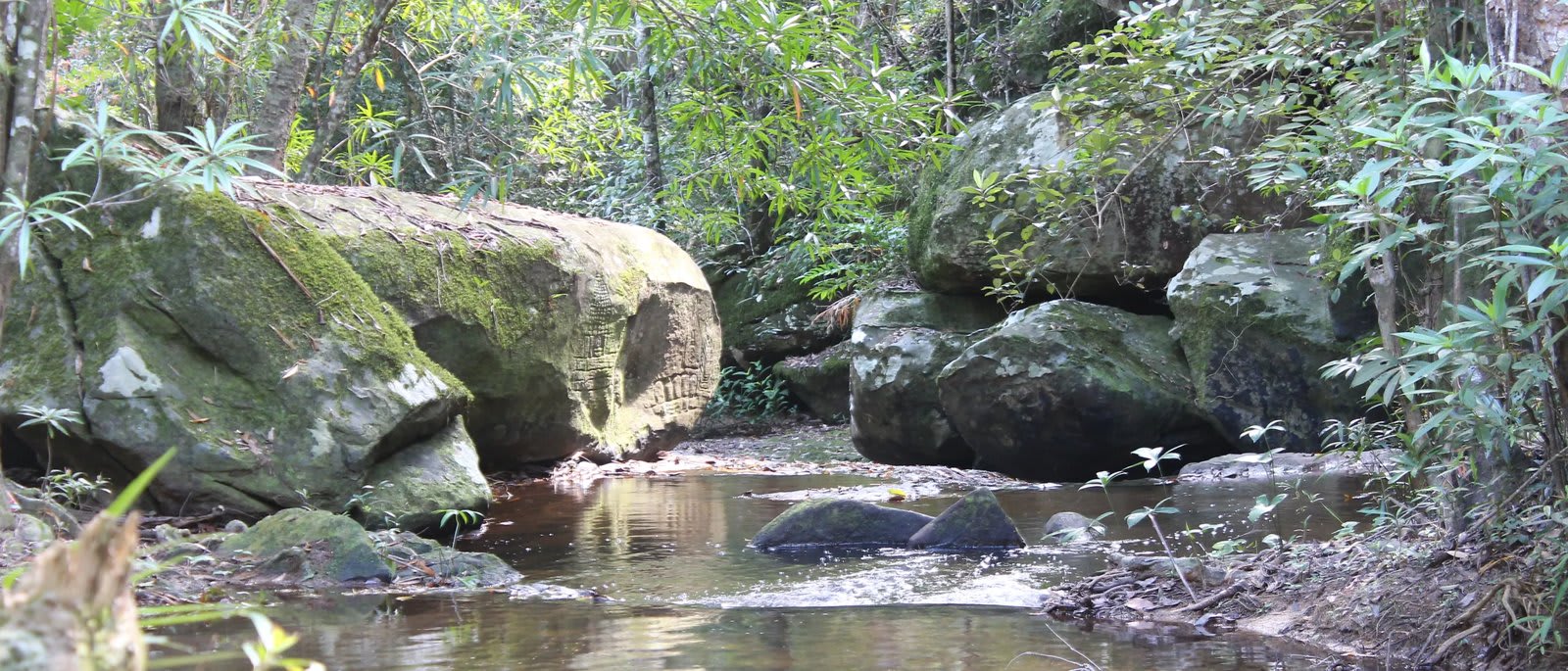
Take a stream in the lowland rainforest of southern Sarawak or the Endau-Rompin park of Johor: sandstone bedrock, ten to thirty metres wide, knee-deep in the dry season, doubling under monsoon rain. Leaves fall from *Shorea* and *Dipterocarpus* trees overhead, settle into rifts in the rock, and turn the water a clear amber — not the saturated black of the Negro, but enough tannin to soften it. pH 5.5 to 6.8, conductivity rarely above 80 µS/cm, daily temperature steady at 23–27°C. The biological signature is the genus *Cryptocoryne*: more than 80 species in the region, many endemic to a single river system, photographed in submerged forests on rock and sand.
The north-east monsoon, October to February, drops over 60% of Borneo's annual rain in four months. Streams that ran shin-deep can move boulders. Rasbora harlequins, chili rasboras and *Boraras* schools hold in mid-water through the calm months and pull into rock shadow when the rain comes. Kuhli loaches braid through leaf litter at the substrate; sparkling gouramis defend bubble nests in still margins; *Parosphromenus* — the licorice gouramis, perhaps the most fragile of all anabantoids — wait beneath overhangs in water so soft it conducts nearly nothing. The *Cryptocoryne* themselves do something rare: they melt and re-emerge as the seasons shift, a strategy that keeps the rooted plant in step with the forest around it rather than against it.
The Iban and Dayak peoples of Sarawak still name fish by river: *ikan tilan* for the kuhli loaches in their flow, *puyu* for the climbing perch of slower pools. The forests that shade those rivers have lost roughly 30% of Borneo's lowland canopy and 60% of Sumatra's to palm oil expansion since the 1980s. Cryptocoryne species are described and lost in the same decade. The aquarium answer is modest: a shaded tank with sandstone, leaf litter and *Cryptocoryne wendtii* or *parva* on the substrate, *Bolbitis* and Java fern on the wood, current that whispers instead of pushes. It carries the syntax of the place if not its scale.
Sources: Jacobsen et al. *Aqua: International Journal of Ichthyology* on Cryptocoryne distribution; WWF/RSPO 2020 figures on Borneo and Sumatra forest loss; Tan & Lim, *The Ornamental Fishes of Singapore*.


Trigonostigma heteromorpha
Trigonostigma heteromorpha

Boraras brigittae
Boraras brigittae
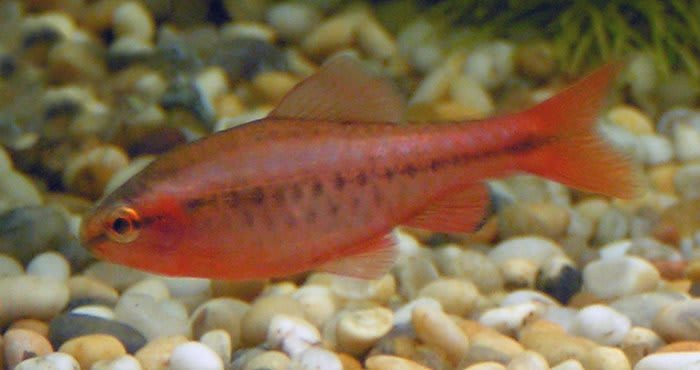
Puntius titteya
Puntius titteya
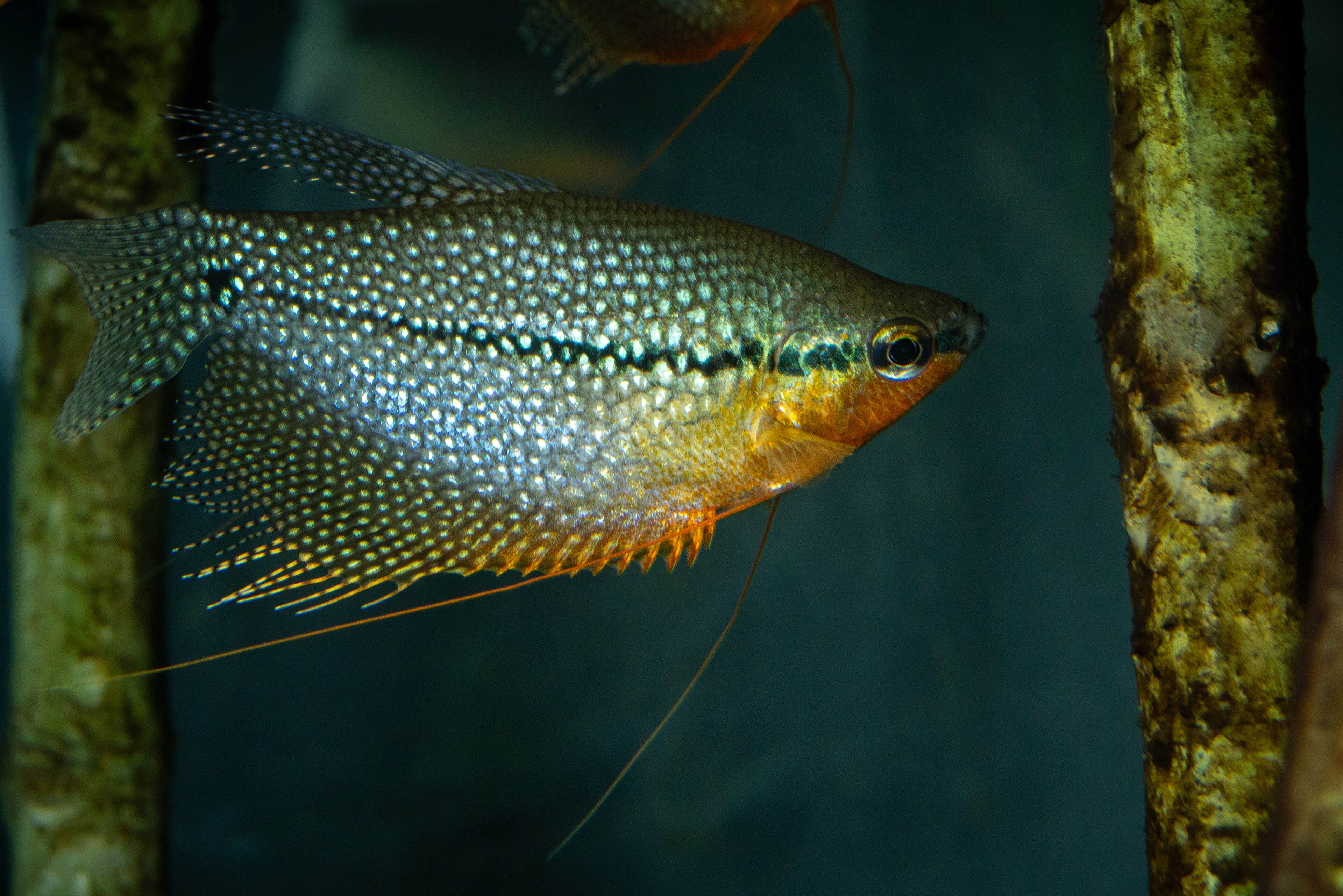
Trichopodus leerii
Trichopodus leerii
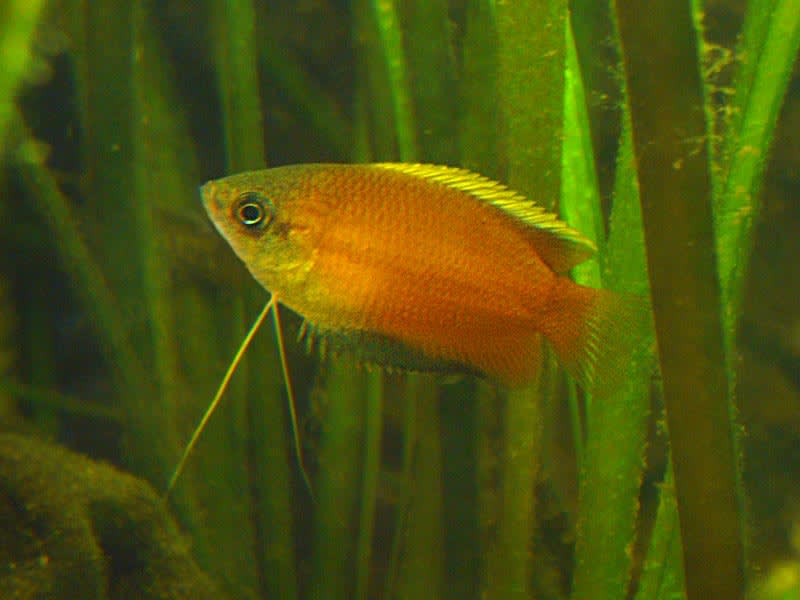
Trichogaster chuna
Trichogaster chuna
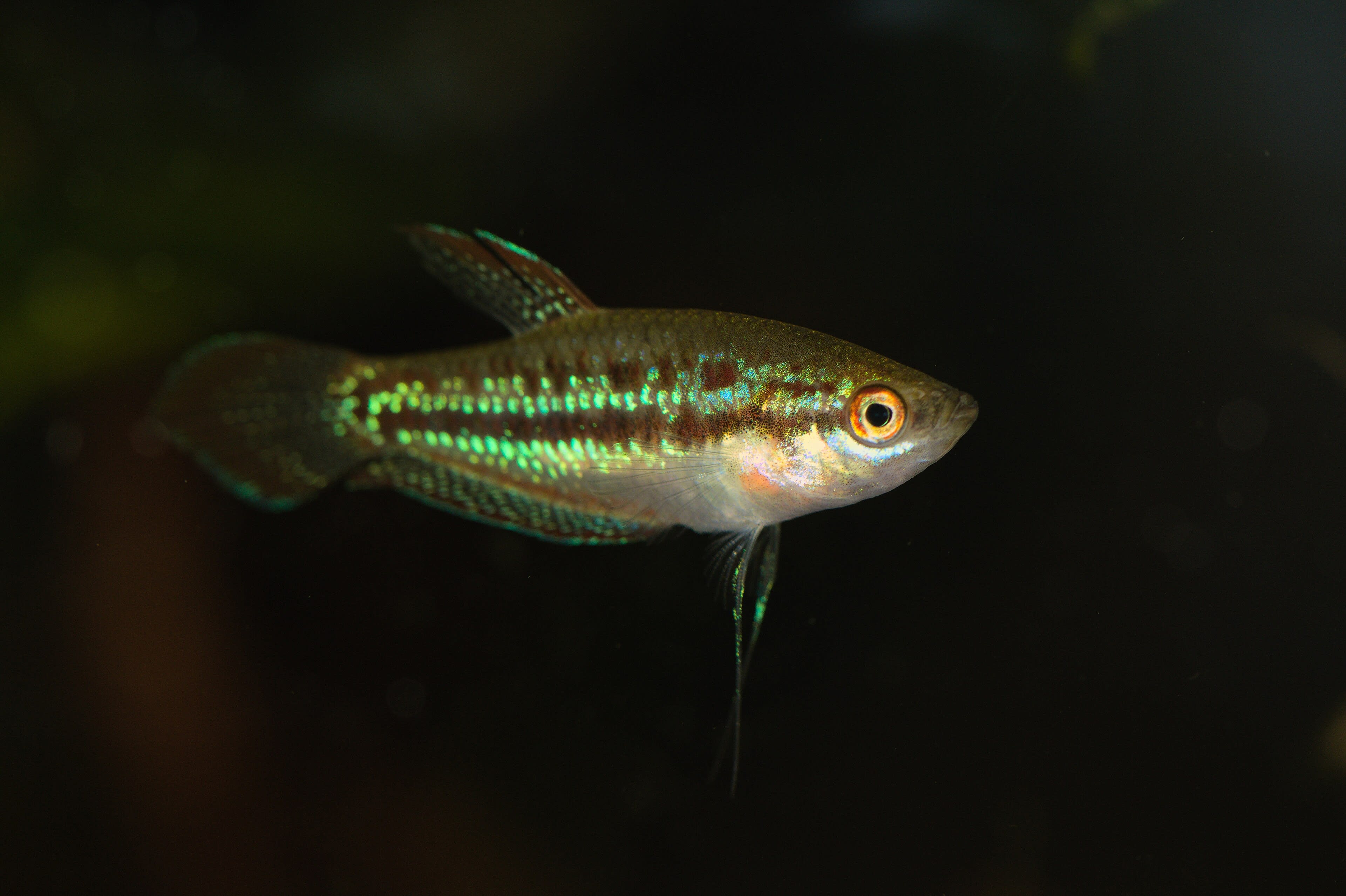
Trichopsis pumila
Trichopsis pumila
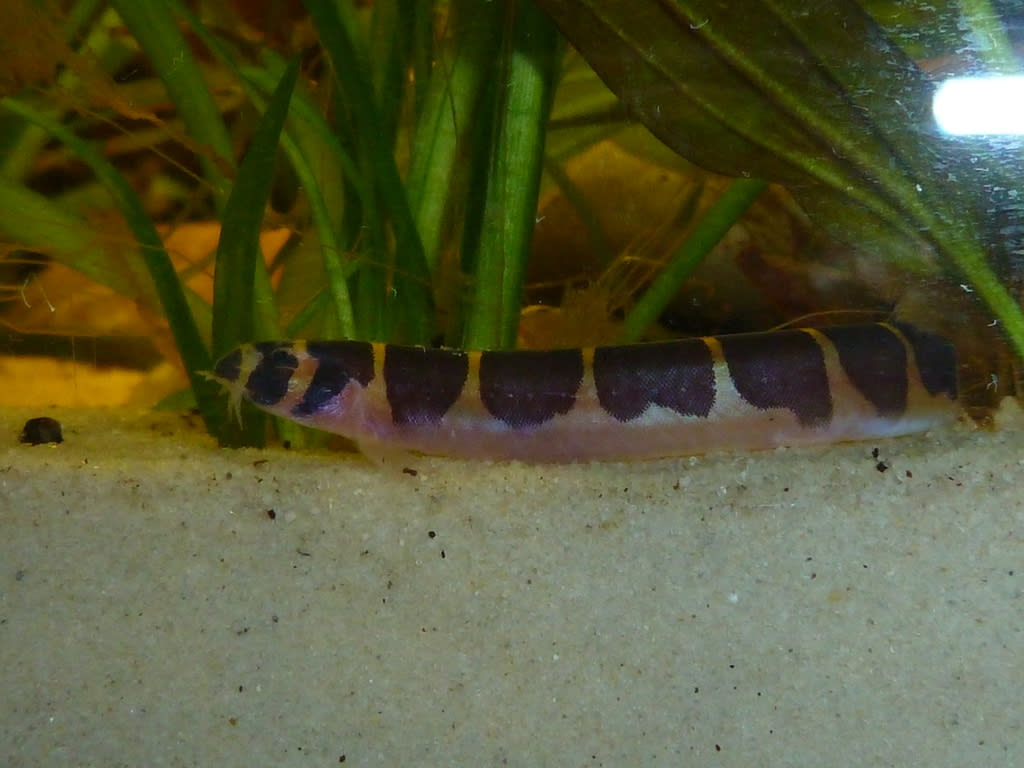
Pangio semicincta
Pangio semicincta

Corydoras pygmaeus
Corydoras pygmaeus
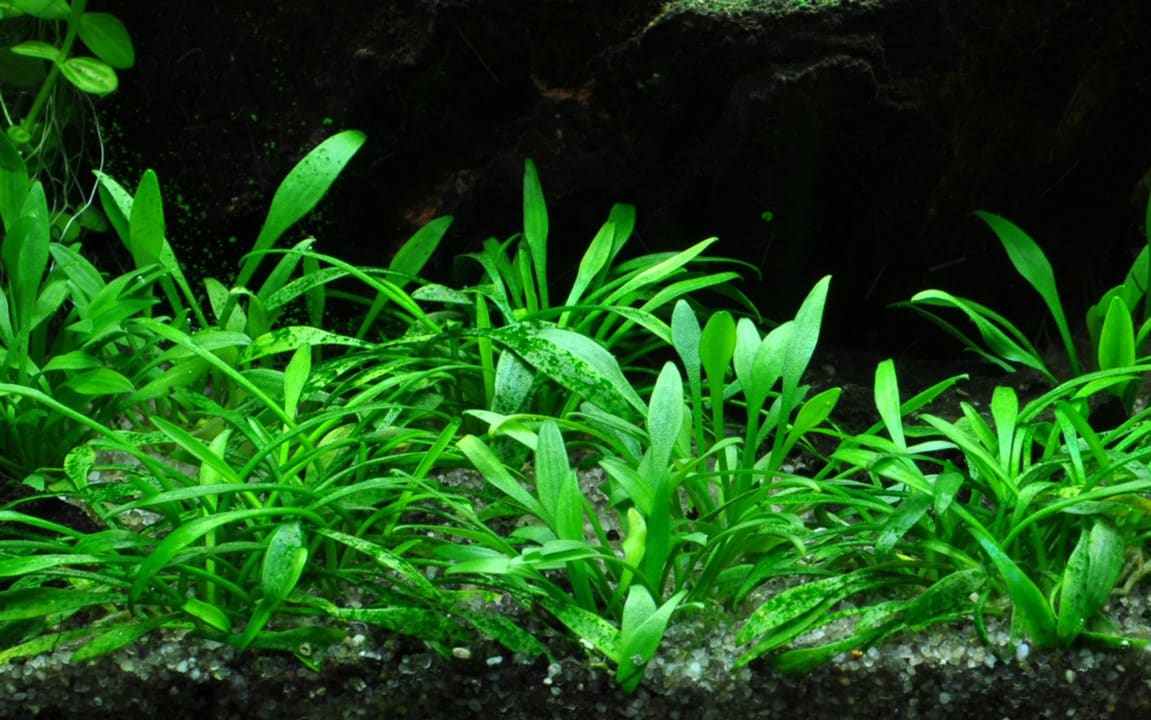
Cryptocoryne parva
Cryptocoryne parva

Cryptocoryne crispatula var. balansae
Cryptocoryne crispatula var. balansae
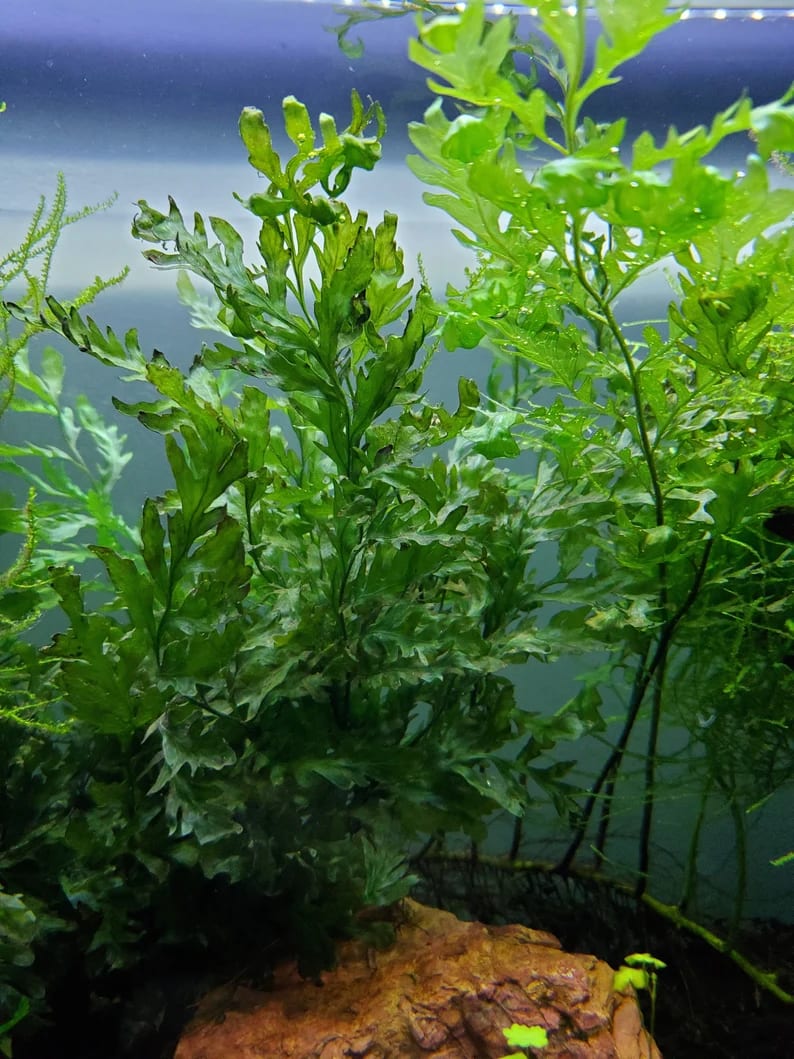
Bolbitis heudelotii
Bolbitis heudelotii

Microsorum pteropus
Microsorum pteropus
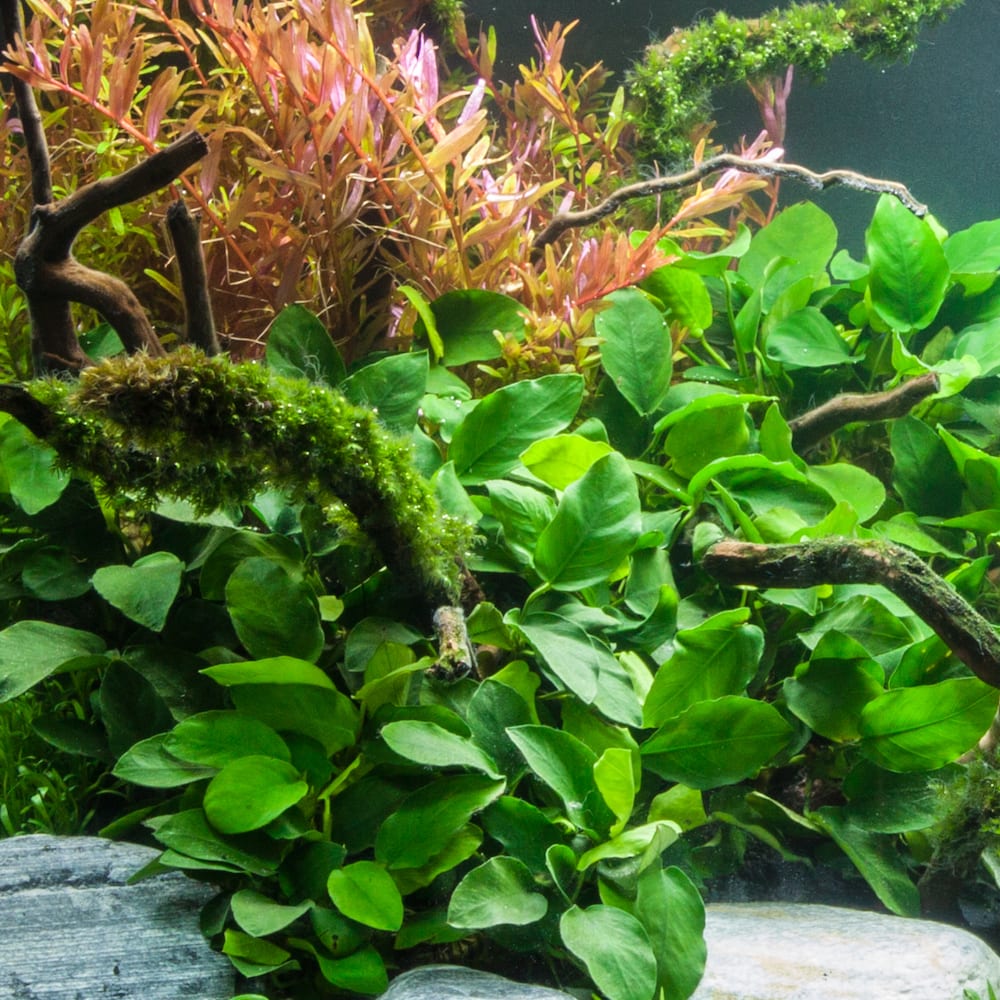
Anubias barteri var. nana
Anubias barteri var. nana